
Process digitalization for
transparent information flows
Qwasaa connects data, systems and manual steps so
that processes become more transparent, faster and easier to control.

In many companies, processes are not fundamentally wrong. They have grown over time and often continue to work for a surprisingly long time: information is passed on, checks are documented, approvals are coordinated and data is evaluated. But this often involves a high level of manual work, Excel lists, paper forms, emails or knowledge held by individual people.
It becomes critical when requirements for transparency, speed or traceability increase. Then media breaks, duplicate data entry, limited reporting, unclear responsibilities and dependencies on individual knowledge become visible. The problem is that important information is not available where it is needed.
Process digitalization with Qwasaa makes visible where information is created, how it is passed on, which systems are involved and where manual handovers slow the process down. This creates digital processes that make information reliably usable — step by step, traceably and without unnecessary full-scale restructuring.

When information creates too much effort
Process digitalization makes sense when existing business processes should continue to be used, but create too much searching, coordination or rework in day-to-day operations.
Data is scattered
Data is stored in Excel files, paper forms, emails, machines, specialist applications or in individual people’s heads. Each part may be understandable on its own, but the overall picture is difficult to grasp. The result: teams search for information, compare versions, transfer data multiple times and lose time in coordination.
Handovers remain manual
Many processes depend on follow-up questions, emails, individual agreements or experience-based knowledge. As long as everyone involved is available, this often works. But as volume increases, people change roles or evidence becomes necessary, the process becomes fragile. The result: the process runs, but it is not documented, evaluated or scalable enough to remain stable.
Evidence is missing
In quality processes, service, production or regulated areas such as medical technology, it must remain traceable what was checked, who approved it, which status applied and which data supports a decision. The result: audits, reports and internal reviews become time-consuming because information has to be collected afterwards.
Systems work side by side
Not every machine, specialist application or existing software system can or should be replaced. In many cases, the greater benefit comes from connecting existing systems more effectively. The result: information becomes digitally usable without unnecessarily destabilizing the existing system landscape.
Where Qwasaa creates clarity
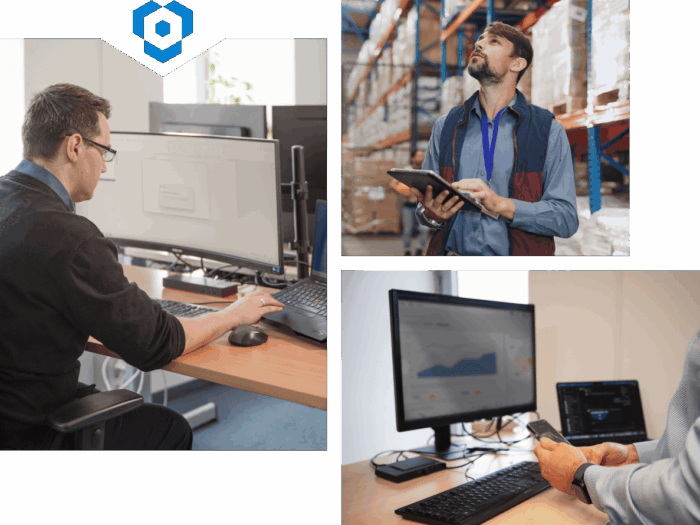
Effective process digitalization does not start with a tool. It starts with the actual flow of information. The central question is not: Which software do we need? The better question is: Which information must be reliably available in the process — and where is it currently lost, entered twice or held together manually?
Qwasaa looks at processes, data sources, handovers, systems, manual steps and technical dependencies in context. This makes visible where the process already works reliably and where it is affected by media breaks, missing structure or unclear responsibilities. If it is still unclear before implementation which systems, dependencies, risks or technical assessment are relevant, a Technical Assessment can first create the necessary basis for decision-making. The problem often does not lie in an individual work step, but in the transitions between steps: duplicate data entry, handovers that are not traceable, manual workarounds or limited reporting.
This is exactly where we start. The goal is not digitalization for its own sake. The goal is information that is reliably available in everyday work, reduces rework and enables better decisions.
What your company gains
The real benefit does not come from a new interface, but from structured information. When data from paper forms, Excel, machines, sensors, existing software or manual input is brought together, a consistent information base is created instead of scattered individual data sets.
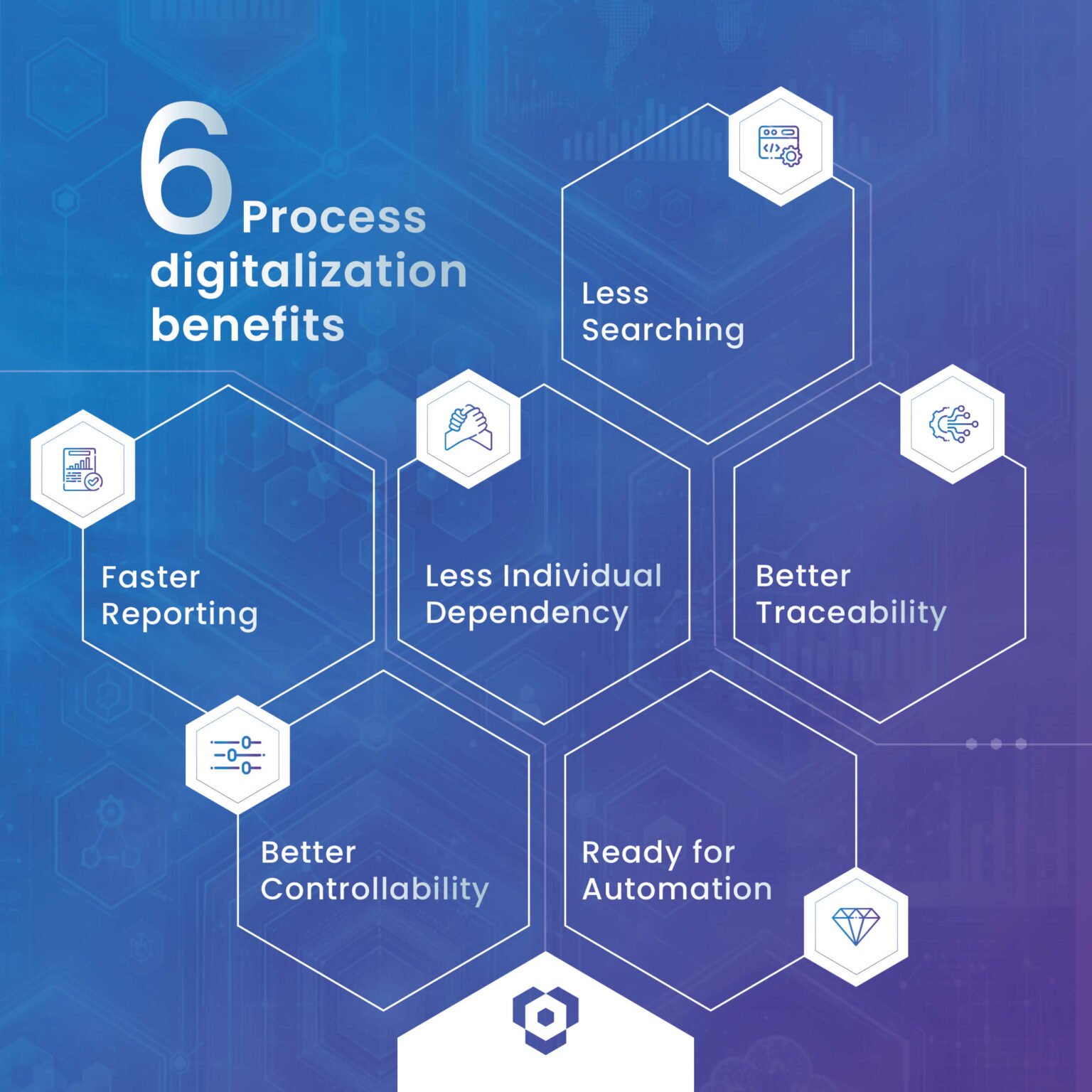
Less searching and coordination
Information no longer has to be repeatedly requested, copied, added to or reworked. This reduces sources of error and relieves teams that currently spend a lot of time searching, coordinating and checking.
Faster reporting
Reports, dashboards and key figures no longer have to be compiled from several different sources. Relevant data becomes available earlier and can be used more effectively for decisions.
Less dependence on individual knowledge
What only individual people used to know becomes traceable within the process. This makes operations more stable, reduces risks when employees change roles and makes onboarding, growth or new locations easier to manage.
Better traceability
Checks, approvals, statuses and responsibilities are documented and verifiable. This is especially valuable in quality assurance, production, service, maintenance and all areas where evidence matters.
Better controllability
Statuses, bottlenecks and deviations become visible earlier and can be addressed more precisely. This helps teams respond faster, set clearer priorities and improve processes before problems have already caused effort or delays.
Basis for automation
Automation only becomes useful when information is available in a structured way. Process digitalization creates that basis — in a controlled, traceable way that fits the existing process.
Where process digitalization provides relief
Process digitalization can start at different points. What matters is where media breaks, manual work or a lack of transparency create the greatest effort.
Inspection reports, measurements, approvals and deviations are often documented manually or transferred afterwards. Qwasaa helps capture this information digitally, store it traceably and make it available for reporting, audits or follow-up processes. The result: inspection statuses, decisions and evidence are easier to find, easier to evaluate and less dependent on manual rework.
In production and operations, data is created by machines, sensors, devices and existing systems. Often, this information already exists, but is not properly connected or presented in a usable way. Qwasaa connects relevant data sources and prepares information so that statuses, deviations and key figures become visible earlier. The result: teams can see faster where processes are stable, where action is needed and which data is relevant for decisions.
Error reports, maintenance information or feedback from the field are often scattered across emails, forms, tickets, spreadsheets or individual systems. Qwasaa makes this information available in a more structured way, enabling service, product improvement, maintenance and customer communication to work more precisely. The result: feedback is not lost, patterns become visible earlier and follow-up processes can be managed more effectively.
Many internal processes rely on informal coordination: someone asks, someone approves, someone documents it later. This works on a small scale, but becomes difficult to manage with growth, audits or changing responsibilities. Qwasaa helps make approvals, checklists and decision statuses digitally traceable. The result: responsibilities become clearer, decisions become easier to verify and processes become less prone to disruption.
When key figures have to be compiled manually from different sources, reports are often created late, with considerable effort and questionable data quality. Qwasaa structures data flows so that relevant information for reports, dashboards or management decisions becomes more reliably available. The result: decisions rely less on manually assembled individual data sets and more on a traceable information base.

From manual information flows to digital processes
To keep process digitalization manageable, Qwasaa starts with a clear view of the actual process: Which information is needed, where is it created, who uses it, and where is it currently lost or entered twice? This makes visible where media breaks, missing interfaces, manual handovers or unclear responsibilities put strain on the process. Often, the friction does not come from a single tool, but from the interface between the business process, existing software, data source and practical use.
Based on this, Qwasaa prioritizes the next digitalization steps. The aim is not to replace as much as possible, but to start where searching effort can be reduced, traceability improved, errors avoided or data made more usable. If new ways of capturing information, custom web applications, dashboards, interfaces or backend solutions are needed, this can develop into a tailored software development project.
Implementation takes place step by step, so ongoing operations remain capable of acting and existing systems are integrated where it makes sense. This does not create a rigid large-scale project, but a controlled path towards digital processes that remain understandable, manageable and extensible in everyday work.
What improves in practical terms
After structured process digitalization, information is no longer scattered across individual data sets, but available where it is needed.
- Teams know faster which status applies, which check has been completed, who approved something and which data is available for reporting, audits or further processing.
- Manual transfers decrease.
- Sources of error are reduced.
- Checks and approvals become more traceable.
- Reports are created faster.
- Dependence on implicit knowledge decreases.
Existing processes are not replaced, but made easier to control.
Your workflows become more transparent. Your data becomes more usable. Your decisions become better founded. And a technical basis is created on which further automation becomes realistic and controllable.
More than a new software interface
More than a new software interface
Many digitalization projects start with the question of which tool to use. For existing business processes, that is rarely enough. The real benefit does not come from a new interface, but from more usable information, clear data flows and processes that can connect to what is already in place.
Especially where machines, specialist applications, manual steps and existing software come together, process digitalization requires technical understanding and a clear picture of the existing system landscape. If existing software slows down process digitalization, step-by-step software modernization can create the necessary foundation. Qwasaa works at this interface — between software development, existing systems, technical processes and practical usability.
We do not develop digital solutions in isolation from what already exists. We look at what already works, where friction occurs and which next step is realistic. This results in digital processes that fit the company and do not only work in a demo.
Why Qwasaa for process digitalization?
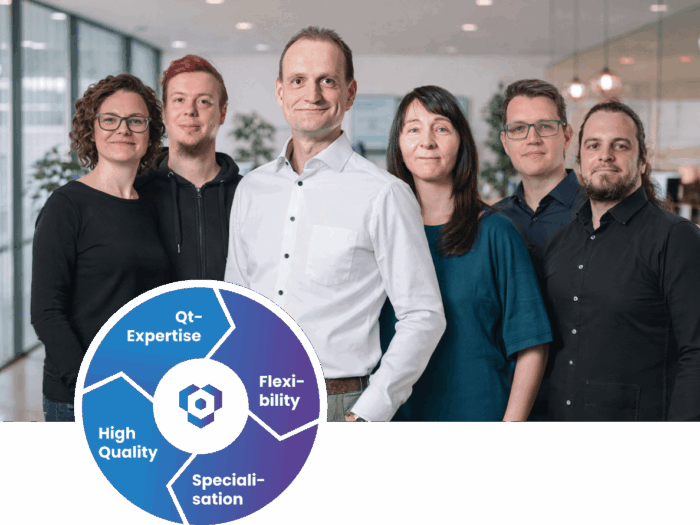
Process digitalization is not only about technology. It also affects established ways of working, responsibilities and ongoing operations. That is why it needs a partner who works in a structured way, sets clear priorities and makes technical decisions understandable. Qwasaa works pragmatically, step by step and with respect for ongoing operations. We assess which changes will actually provide relief, which systems should be integrated and where a digital solution needs to remain maintainable in the long term.
For your company, this means: you do not receive an isolated one-off solution, but a realistic path from your current situation to more usable information, clearer responsibilities and processes that work in everyday practice. Collaboration remains transparent throughout — with clear points of contact, understandable communication and decisions that can be justified from a business, technical and operational perspective.
If you would like to learn more about how we work and who is behind the projects, visit our About us page.
Clarify the next step together
If you want to make information in your processes digitally available without unnecessarily destabilizing your existing system landscape, a step-by-step approach is the most sensible starting point. In an initial conversation, we clarify together where your processes stand today, which information is difficult to access and which next digitalization step is realistic.
Speak with Frank Rub and Sebastian Kratz about the next sensible step for your process digitalization. Together, we clarify which workflows currently create particularly high levels of manual work, where media breaks occur and how this can become a controllable digitalization project.
Creating clarity together
Working together, we'll assess where your software stands today, identify which risks should be prioritized, and determine what the next realistic step is.

Frank Rub
Chief Executive Officer



Sebastian Kratz
Head of Innovation
Let’s get started
We look forward to your inquiry and will get back to you within one business day .
By clicking the submit button, you confirm that you agree to our privacy policy.
You can find us here
Our home is on the 13th floor of the Jentower, in the heart of the beautiful city of Jena on the Saale River.
Do drop by – we look forward to seeing you.
show on map